Our Service Advantage
YSG has more than 15 years of experience in the metal surface finishing industry. We provide high-quality and stable equipment as well as technical services at a professional level in more than 20 countries.
From process design and equipment selection to installation, commissioning and after-sales support, our team works closely with customers to keep every production line running efficiently. Spare parts, technical training and remote support are available throughout the equipment lifecycle.
Project Management
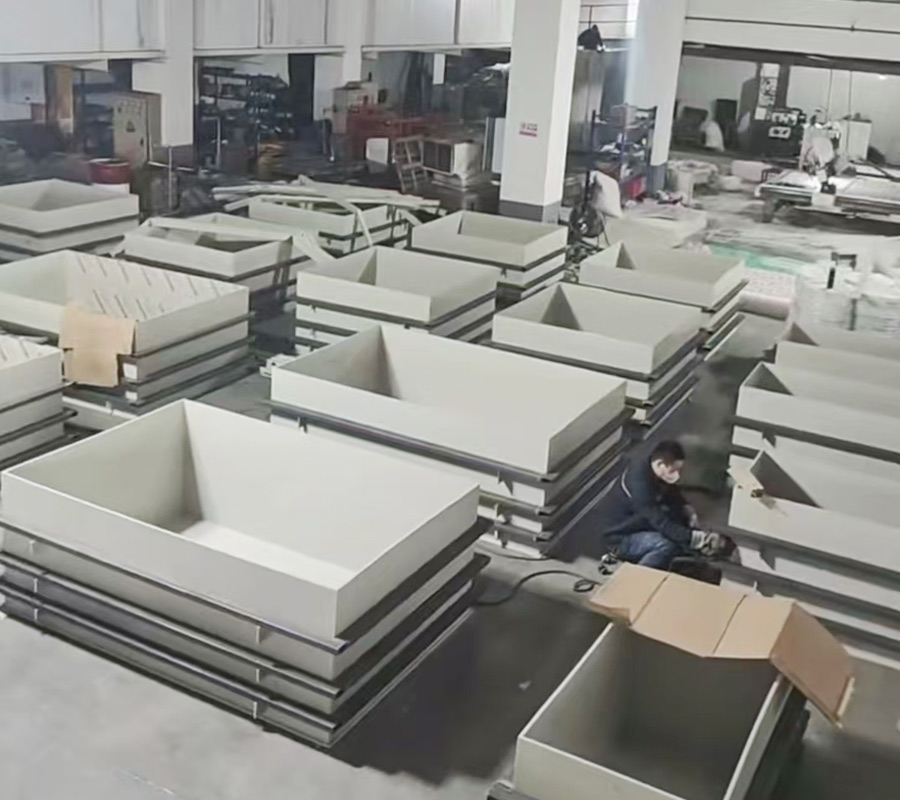
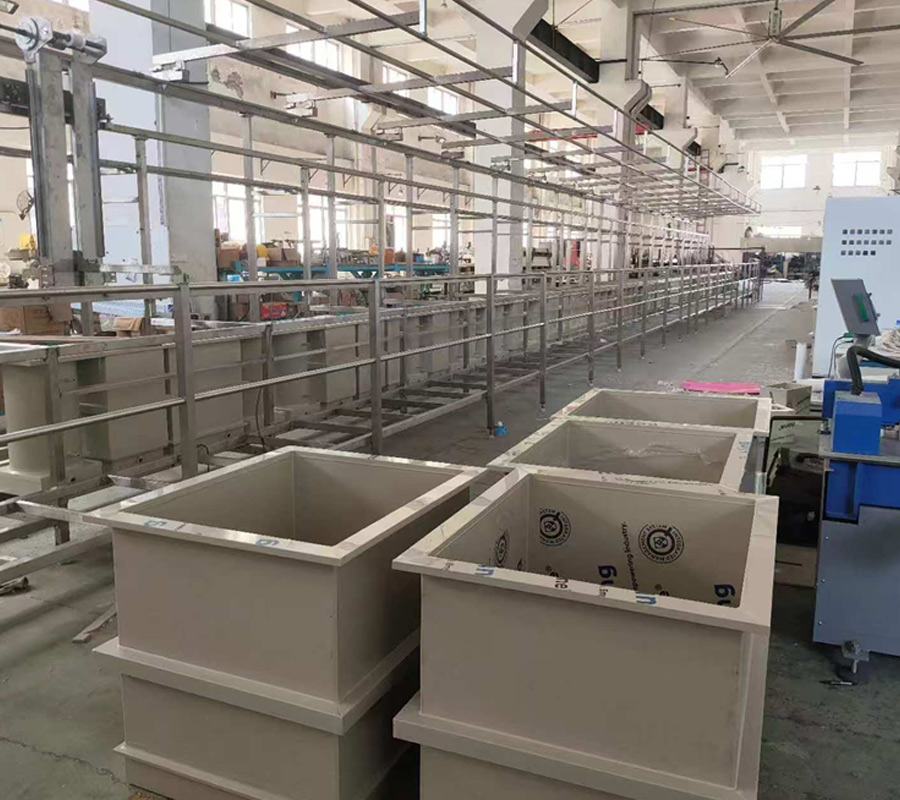
YSG accepts single-source responsibility for design, sourcing, fabrication, shipping, installation and commissioning. Whether the project is a new automatic line or an upgrade of an existing line, a delivery method can be customized to meet your needs.
Our project team coordinates every stage of the delivery, from layout and process planning to on-site installation and operator training, so that the line is commissioned on schedule and ready for stable production.
Request an Appointment
Please fill out the contact form and our operator will contact you to schedule an appointment.
Frequently Asked Questions
Learn more about product expertise and address your concerns
- Ensure a clean, tight electrical contact at every jig; one bad contact ruins the whole rack.
- Do not overload racks or let parts shield each other — current must reach every surface.
- Keep parts clear of the cathodes; never let work touch the cathode plates.
- Anodize aluminum only — copper, brass, steel, or plated parts in the bath dissolve and contaminate the electrolyte.
An automatic rack plating line is a programmed, conveyor- or hoist-driven system that carries racks of parts through a fixed sequence of process tanks — cleaning, rinsing, etching, plating, rinsing, and drying — without manual handling. Parts are jigged onto racks (rather than tumbled in a barrel), which suits large, fragile, odd-shaped, or high-value components and critical cosmetic or dimensional requirements.
**How it works**
A PLC-controlled transporter (overhead monorail hoist, or a "return-type" ferris-wheel arrangement) picks a rack from the load station and moves it tank to tank according to a stored recipe. Dwell times, transfer sequences, current, and temperature are all programmed, so every rack follows an identical path. Typical line sections:
These lines combine **acid pickling** (removing mill scale, rust, and oxides) with **phosphating** (forming a zinc, iron, or manganese phosphate conversion coating) in one automated sequence of tanks and transfers. The coating serves one of two main functions: a **paint/lubricant base**, or a **wear and anti-galling layer** for forming. That split largely determines which industries use them.